Shqipe
June 2021 — Deçan, Kosova
Listen to an Shqipe’s story in Albanian or read the transcript below in English:
Albanian:
“Unë thash ‘Nuk shkoj, l’shom, nuk hypi ktu hiq hiq.‘”
English:
“I said, ‘I’m not going. Let me go! I’m not getting on it.’”
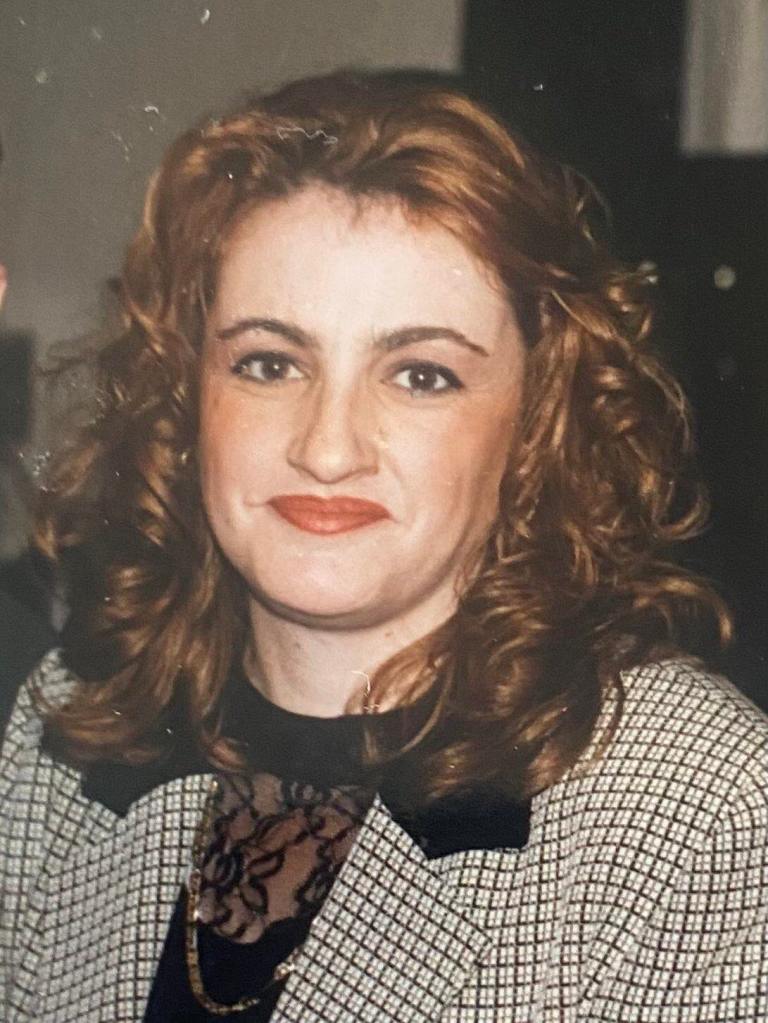
Below is the a creative, non-fiction vignette written by Erjona Gashi about Shqipe’s interview.
“It was May 1998,” Shqipe recalled.
The exact date had slipped away from her memory.
“At 3 p.m. sharp, the “Voice of America” echoed through the school halls, its Albanian broadcast filling the spaces between lessons. The war in Kosova was all anyone talked about now. Shortly after the broadcast began, the school principal’s voice was heard through the corridors,” Shqipe started remembering.
“All classes must end. Now. You must take the students to the bus stop, Te Plepat” he ordered, sending teachers into the streets to guide the children safely toward the buses that would take them home.”
Shqipe and Luli, her husband, who was also a teacher at the same high school, walked together, students clinging to both their sides. The bus doors barely closed from all the bodies of the students pressed against one another. There was no room left for teachers, so Shqipe and her husband stayed behind.
They waited for hours that Shqipe said felt stretched like days.
And then they walked.
Through Strellc, through valleys and fields, they trespassed on people’s abandoned backyards.
When they reached the chestnut trees, they heard the worst from a group of villagers: a blockade settled in Deçan, a second one nearby, and they were whispering of bombardments, of men needing to stand watch, peering into the night as if their eyes alone could keep the war at bay.
The last day of school had come and gone, and now war had taken its place.
Now, Shqipe spent her nights in strangers’ homes, sat on floors crowded with bodies too exhausted to sleep. When the air rumbled with distant shelling, they moved.
Basements became sanctuaries, and every breath felt borrowed.
The world outside continued its collapse, but inside, they waited.
Waited in silence.
Waited for tomorrow.
Waited to remember what life had been before the war.
Now, twenty-four years later, Shqipe waits for the guilt to go away.
Guilt for forgetting the exact dates and details,
guilt for surviving,
and guilt for still being able to remember at all.
 Zëri i Grave