Documenting Kosovar Women’s Stories of War
“Zëri i grave” is a digital project curated to document and memorialize Kosovar women’s localities, displacements, lived experiences, and social contributions during the Kosovo War. It is an invitation to bear witness to the atrocities that have been caused by war in the Balkan region.
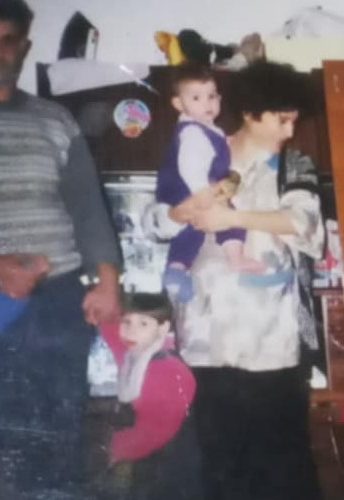
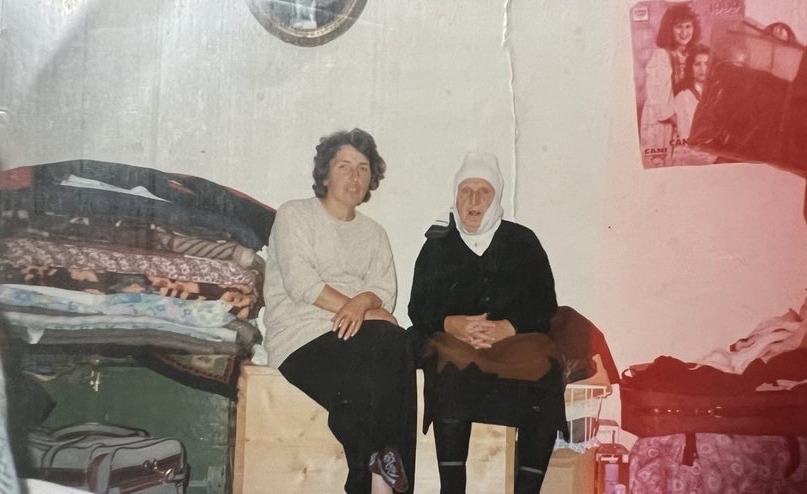

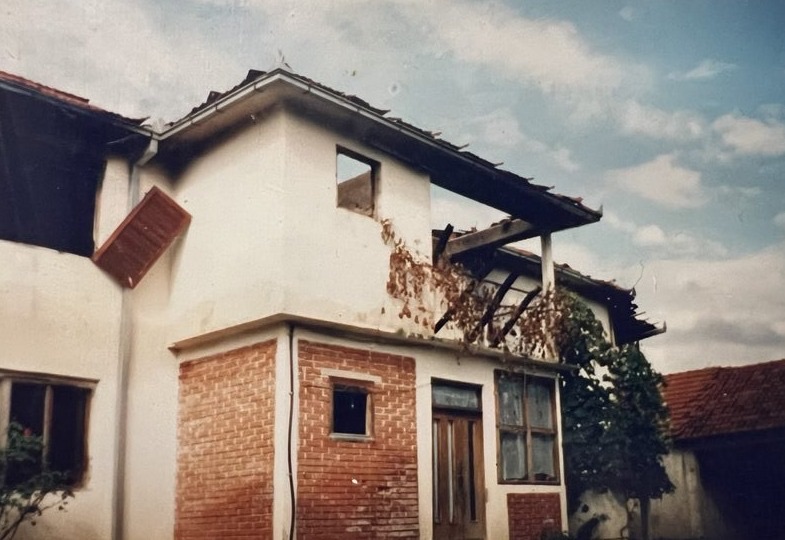
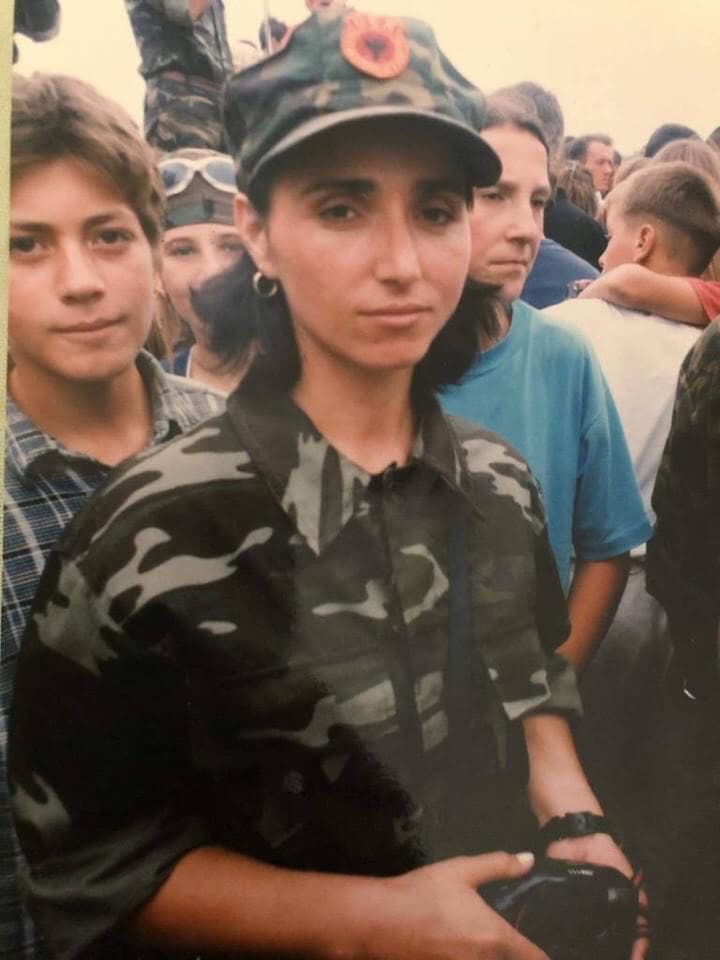


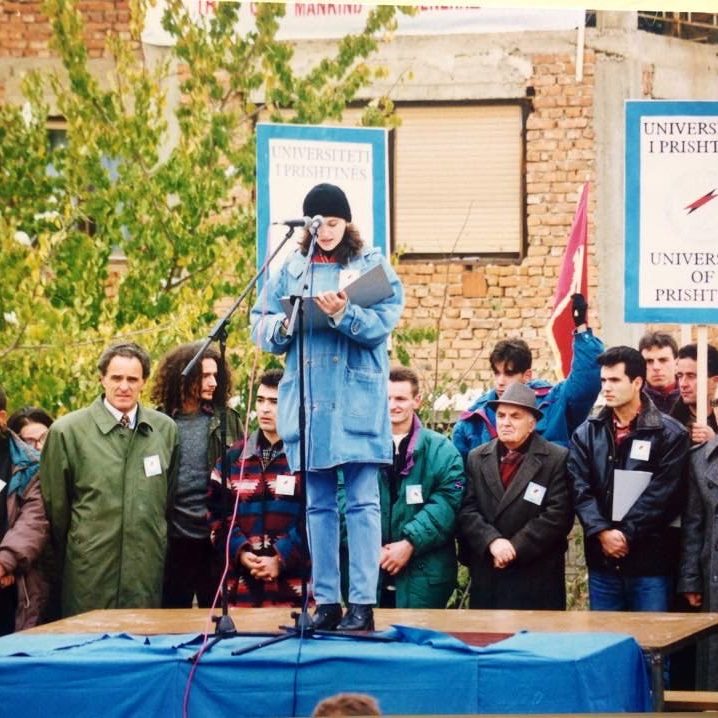
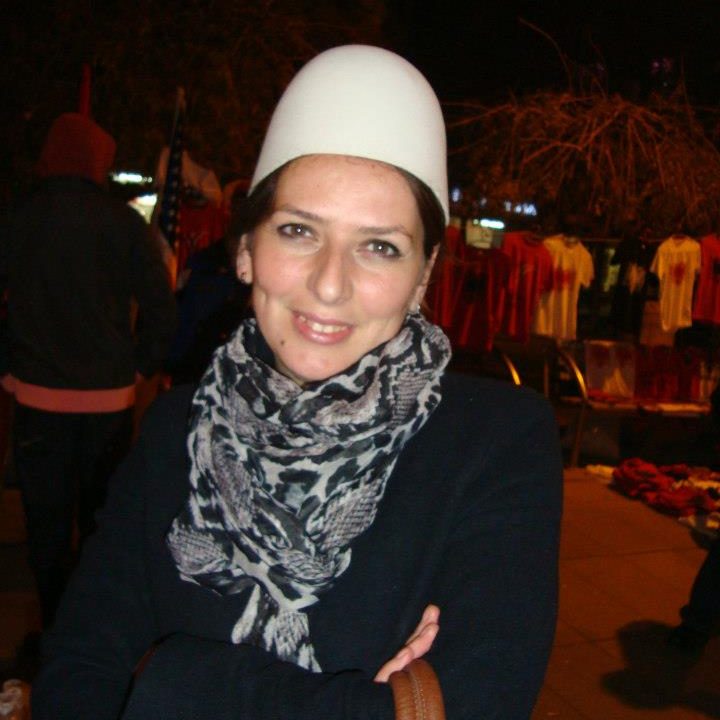
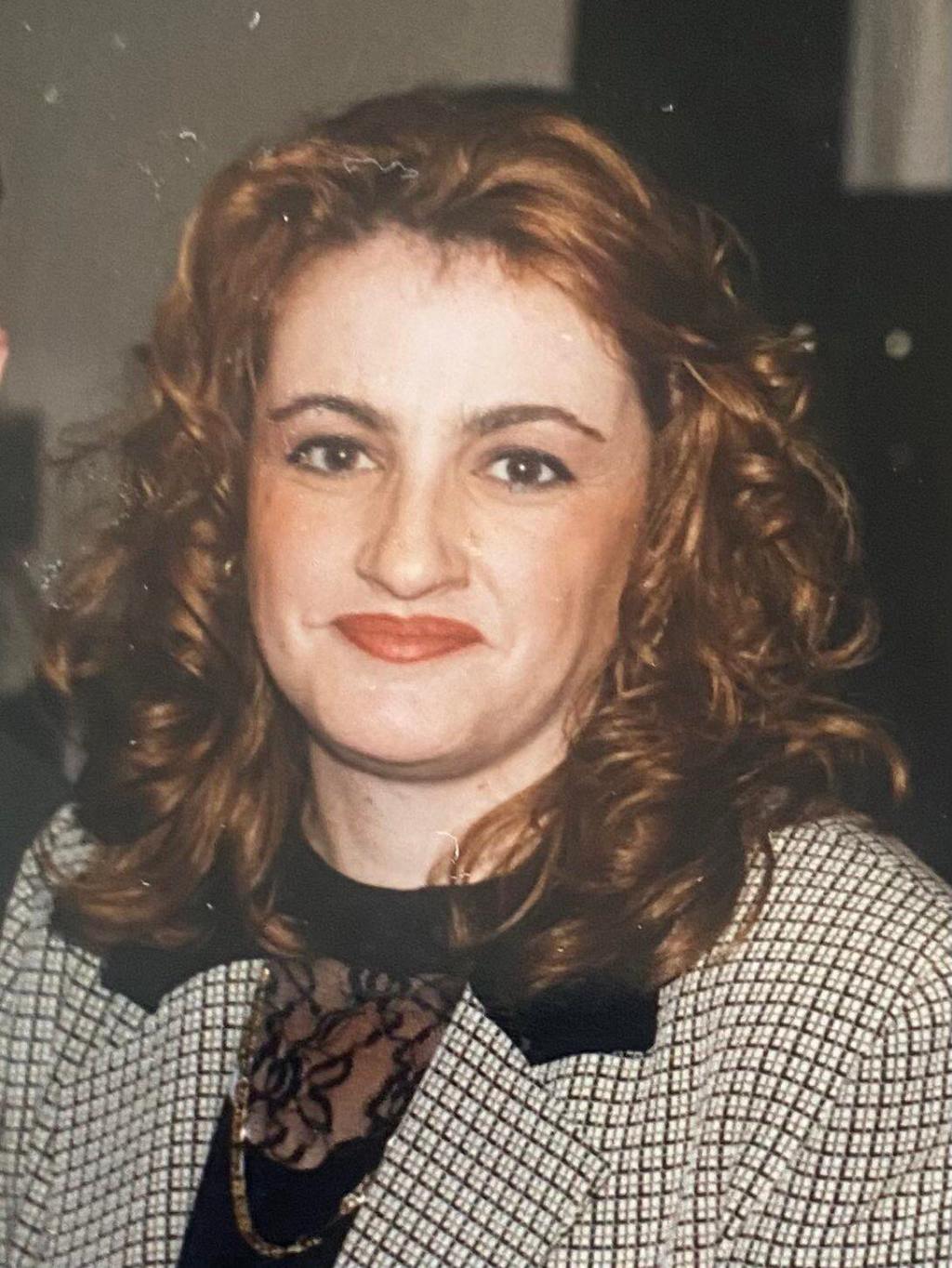

“Zeri i Grave” consists of stories of Kosovar women’s experiences, audio interviews, transcripts in Albanian and English, short evocative vignettes, as well as images of participants and of artifacts dating back to the war.
The goal is for this digital project not be fixed in time but to work as an evolving platform to voice new stories, with the potential of expanding to other post-war countries in the Balkans region to establish a “traveling” digital exhibition of women’s stories of war.
The project serves individuals who do not have similar lived experiences to build empathy for the psychological, emotional, and cultural struggles of people from war-torn countries, and for ones who do, to create spaces of solidarity and hope for collective healing in the promise of sharing our stories and recovering our voices.
An abbreviated history of this region.
Kosova, in 1974, under the Yugoslav constitution was declared an autonomous province of Serbia and was afforded a status almost similar to that of a republic but without the benefits of withdrawal from the federation. Ethnic Albanians were classified as a nationality rather than a nation and did not have the right to a republic due to the perception that nationalities were inferior to nations (The Independent International Commission in Kosovo, 2000). Since Kosova was not a republic it did not have great economic control, thus Albanian activists took to the streets to protest for better economic and educational policies. These movements caused great hostility and polarization between the Serb and Albanian communities during the 1980s.
In 1989, Slobodan Milosevic took control of the Serbian Party and revoked Kosova’s autonomy, which initiated an increase in human rights abuses against Albanians with the intent to Serbianize the province by colonizing Albanians and committing ethnic, linguistic, and cultural erasure. Albanian street names were changed to Serbian ones, the Institute for Albanian Studies as well as Albanian radio, television, and newspapers were shut down, and a Serbian curriculum for schools and universities was introduced (Hetemi, 2018; Maliqi, 2012).
More than 18,000 Albanian teachers and staff workers were fired for not complying with the Serbian curricula, funding was cut to Albanian schools in Kosova, and Albanians were forbidden from using school buildings unless they followed the Serbian curricula (Bieber and Daskalovski, 2003). They were accused of a century-long campaign of ethnic cleansing against Serbs, which served to justify the institutionalized oppression and discrimination of Albanians in Kosova. Albanians faced day-to-day discrimination from the Serbian police in the form of physical violence, threats, and other abuses, as well as ideological discrimination supported by Kosovar Serbs who believed that Serbs were the ethnic superiors in Kosova and that Kosova is “a sacred Serbian land (Bieber and Daskalovski, 2003, p. 37).”
As means of resistance to Serbian oppression, Kosovar Albanians adopted their own Declaration of Independence of the Republic of Kosova and in 1981 a referendum resulted in 87 percent in support for Kosova as a sovereign republic. This marked the beginning of a parallel system in Kosova where Kosovar Albanians created their own institutions separate from the Serbian administration under the leadership of Ibrahim Rugova, head of the League for a Democratic Kosovo (LDK). Under the parallel system, 20,000 teachers and administrators were hired to teach in basements, garages, and homes donated by Kosovar Albanians. Organizations like The Mother Theresa Society, The Council for the Defense of Human Rights, The Association of Independent Trades Unions, and The Councils for Reconciliation were also set up to monitor human rights abuses, provide humanitarian healthcare, and offer a parallel justice system (Clark, 2000).***On February 28th, 1998, the situation was exacerbated when the Serbs arrested Adem Jashari, one of the founders of the Kosovo Liberation Army, in his house in Prekaz and within the same week killed 58 members of his family. This prompted an upheaval all over Kosova and village militias began defending their own villages from an escalation of violence. This marked the beginning of the Kosovo War (Bieber and Daskalovski, 2003).
Amnesty International witnessed a significant increase in human rights violations in Kosova in 1998. Most of the victims were ethnic Albanian (Bieber & Daskalovski, 2003; Friend, 2001). In the summer of 1998, circa 250,000 ethnic Albanians were forcibly displaced and some 50,000 were out on the streets or in the mountains (Friend, 2001; Ronyane, 2004). Human Rights Watch began documenting torture, killings, rapes, forced expulsions, and other human rights violations committed by Serb government forces against ethnic Albanians in 1999 (Human Rights Watch, 2001). According to Ronyane (2004), the tensions and genocidal fervor culminated on 24 March 1999 with the American-led North Atlantic Treaty Organization’s (NATO) attack on Milošević’s Yugoslavia. Yugoslav forces launched a genocidal campaign in Kosova and through terror and violence forcibly displaced circa 1.5 million people from their homes in Kosova.
Amnesty International witnessed a significant increase in human rights violations in Kosova in 1998. Most of the victims were ethnic Albanian (Bieber & Daskalovski, 2003; Friend, 2001). In the summer of 1998, circa 250,000 ethnic Albanians were forcibly displaced and some 50,000 were out on the streets or in the mountains (Friend, 2001; Ronyane, 2004). Human Rights Watch began documenting torture, killings, rapes, forced expulsions, and other human rights violations committed by Serb government forces against ethnic Albanians in 1999 (Human Rights Watch, 2001). According to Ronyane (2004), the tensions and genocidal fervor culminated on 24 March 1999 with the American-led North Atlantic Treaty Organization’s (NATO) attack on Milošević’s Yugoslavia. Yugoslav forces launched a genocidal campaign in Kosova and through terror and violence forcibly displaced circa 1.5 million people from their homes in Kosova.
This history—this erasure—was the backdrop against which my family, and thousands of others, fled. It is the history that haunts every narrative I seek to tell.
Zëri i Grave
Contact
Authored by Erjona Gashi
Creative Direction by Michael Broderick
Website Design by McLaren Reed
 Zëri i Grave