Remzija
June 2021 — Prishtinë, Kosova

Albanian:
“Edhe ajo, ajo ka tregu që ti ski kurrfarë sigurie si e re për me dalë…”
“And this, this meant that, as a woman, you couldn’t have any sense of safety when leaving the house…”
Below is the a creative, non-fiction vignette written by Erjona Gashi about Remijia’s interview.
“The war was over. The air still carried the weight of what had been, but the land— although cursed, burnt, and scarred—called its people home,” Remzije said.
Remzije’s parents had returned without hesitation, as if the war had only been a nightmare they would quickly awaken from. She followed. There was no other choice. Home was not just a place to her—it was a pull, an obligation, a promise she had made before she fled for Germany.
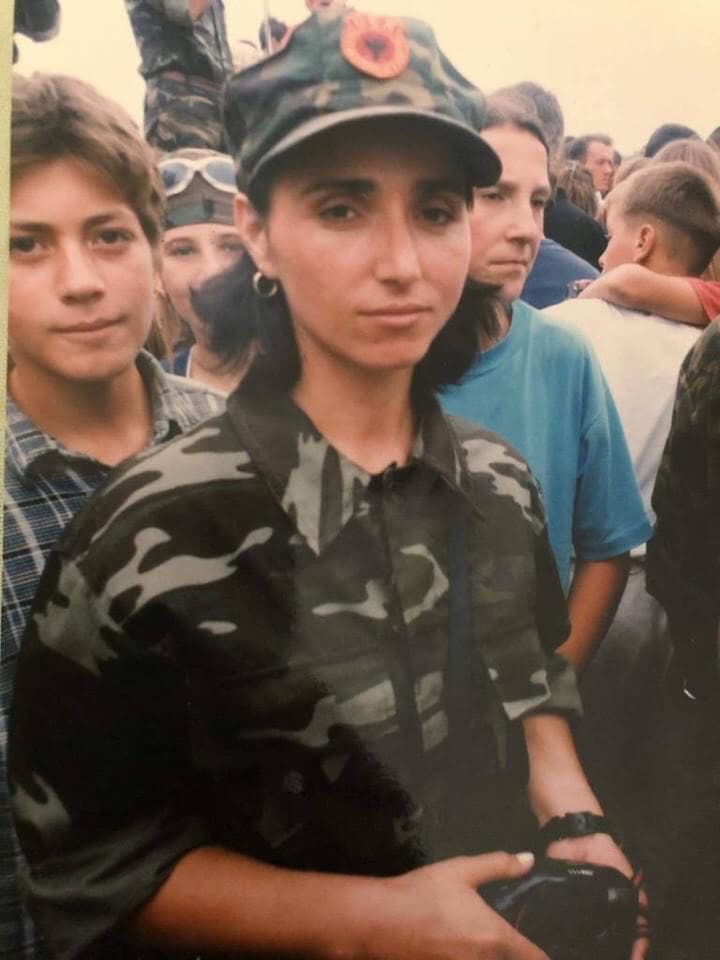
For over a month after her return, she worked beside international journalists, her hands steady as she held a recorder, her voice steady as she told the world what had happened. She saw the ruins. The abandoned houses. She saw bodies. Some of them alive.
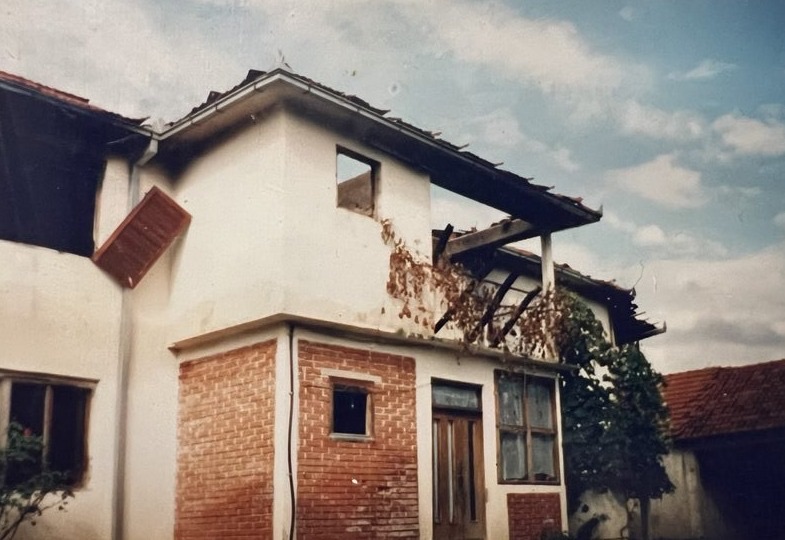
In a village outside Mitrovica, she walked beside a New York Times reporter, stepping carefully over rubble. The homes had crumbled, but the people remained. They lived in tents, in what little was left, yet their presence was defiant.
“We are here to stay,” they told her. Their voices did not waver.
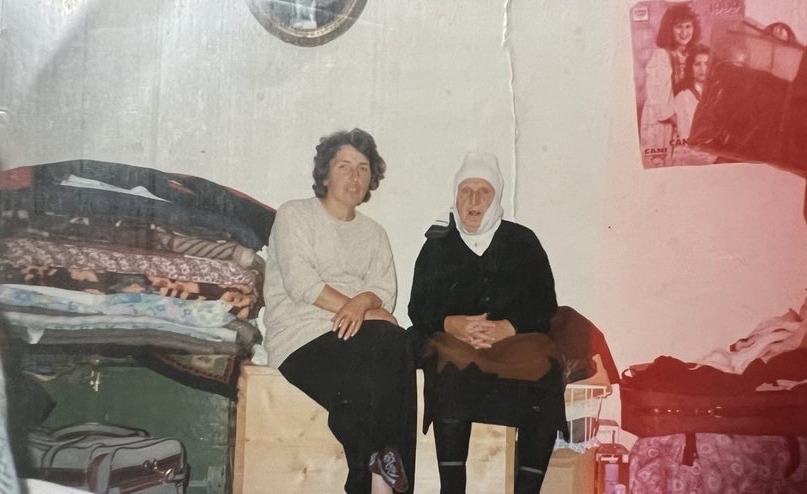
An old woman, wrapped in layers against the lingering cold, invited them inside what had once been her home. What remained of it, at least. She set out three tiny porcelain cups that had survived the war. The aroma of Turkish coffee filled the cold air, rich and bitter— an offering from hands that had lost everything.
“This is all we have left,” the woman said, apologetic, pushing the cups of coffee toward them.
Remzije’s chest tightened thinking of how the war had taken so much from this woman, but it had not taken this— her generosity, kindness, kinship.
She took a sip, and sighed, in relief.
Relief that she had returned. Her parents had returned. Half of this village in Mitrovica had returned.
She thanked the old woman and told her she is also here to stay.
“Now that we are finally free.”
“We will all stay. Reclaim our land. Rebuild our homes.”
“Now that we are finally free.”




 Zëri i Grave