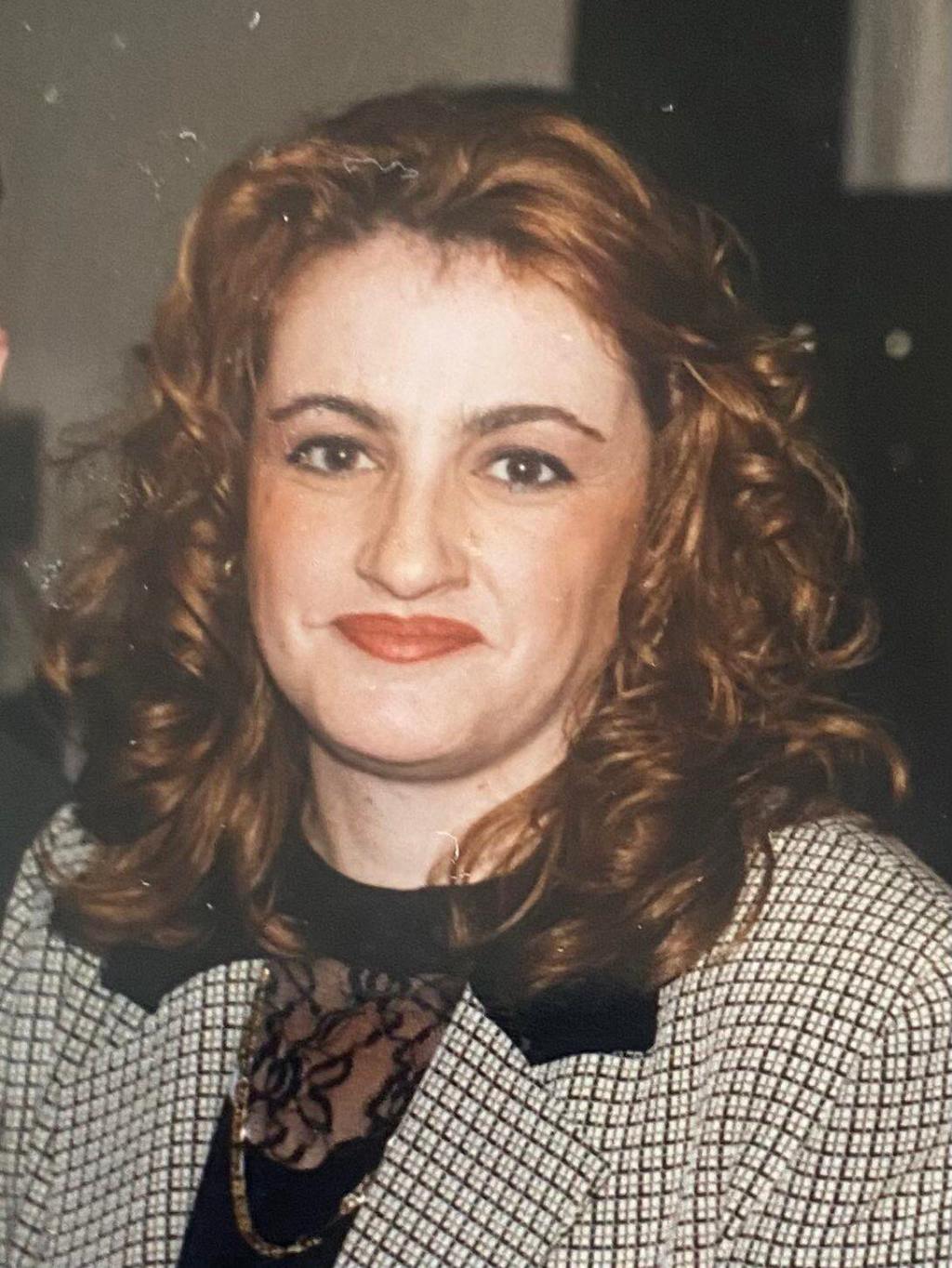
Ajkuna
June 2021 — Prishtinë, Kosova
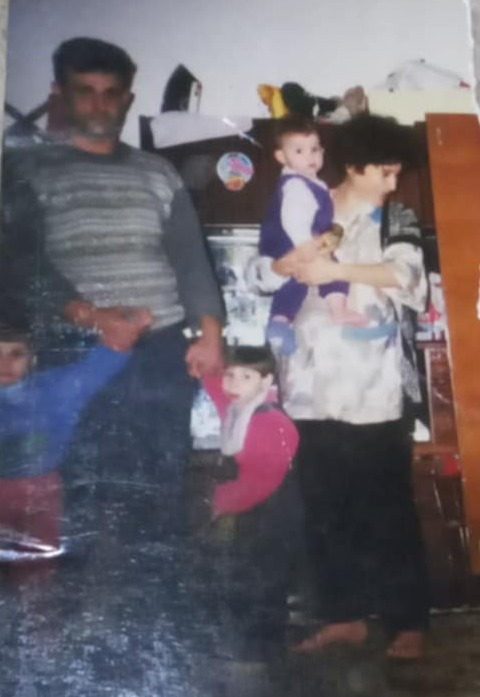
Albanian:
“Unë rash në anemi të skajshme prej ngarkesës, e lodhjes, e frikës, tana senet u grumbullun.”
“I became anemic due to exhaustion, fatigue, and fear, all of it piled up.”
Below is the a creative, non-fiction vignette written by Erjona Gashi about Ajkuna’s interview.
“Ajkuna was the first woman I interviewed. The day unraveled slowly, stitched together with laughter and quiet moments of reflection. We sat with her family, chatting over warm gurabija, sipping Russian tea and Turkish coffee. In late afternoon, we moved to her small balcony, where she lit a cigarette. She took a slow drag, exhaled, and let the past settle between us. Then, she began.
Ajkuna:
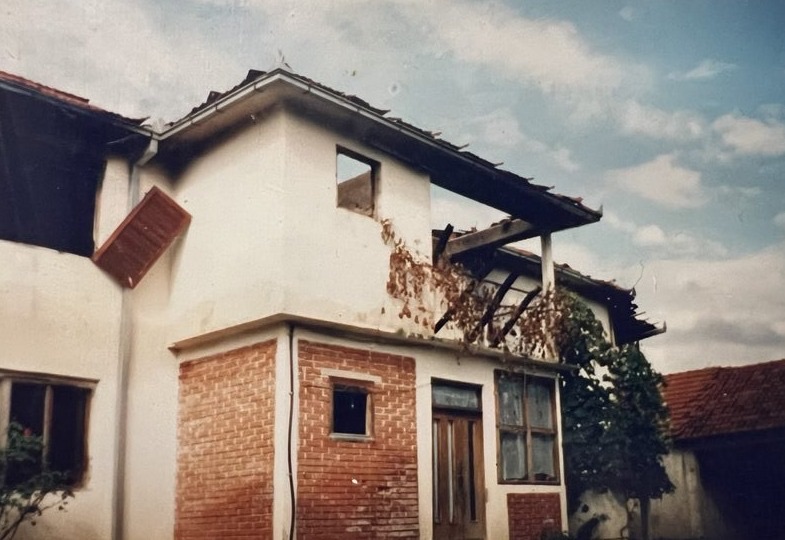
“We didn’t find anything the way we had left it. Nothing.
The war didn’t just take lives—it stole everything. We didn’t only suffer physical and emotional violence, but economic violence too. We became poor. We had to start over, from nothing, from the bare ground. No aid. No government support. Just my family—my sisters, my brother—and the will to survive.
I will never forget the day my child got sick. An infection. I had nothing, no money, no way to get what she needed. I went to a small store that had just reopened, desperate. I asked for baby diapers, told them I would pay as soon as my sister sent money from abroad.
The woman at the counter placed them in my hands and said, ‘You don’t need to pay. All that matters is that your daughter gets better.’ Money was nothing compared to a child’s life.
The media called me an Iron Woman. They wrote about the war, my struggles, the things I endured. They wrote about how I later gave my kidney to my husband.
But if you ask me how I did it, I don’t know how I did it. I don’t know how I carried it all. Maybe I didn’t have a choice. Maybe I just accepted what was given to me and whispered, “God willing.”
There were days I wasn’t strong enough to walk. So, I crawled.
Because my children needed me. My daughter needed me. She is paralyzed—she cannot walk. So, I did it because I had to.
I had to be strong. I had no other choice.


 Zëri i Grave